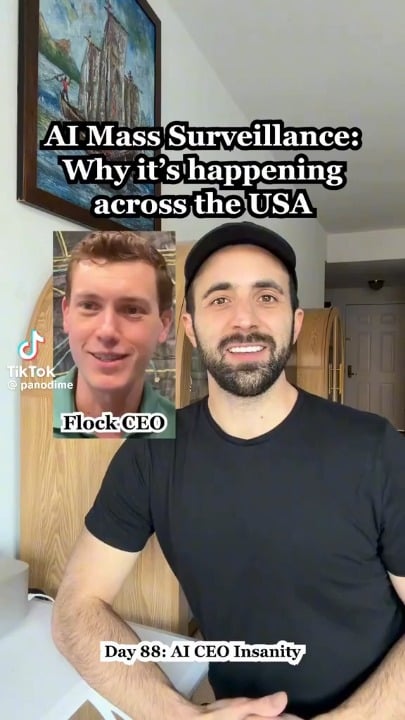
The rapid growth of Flock Safety across the country is at the center of a major debate about how much surveillance is too much. While the company says its cameras are just tools to help police solve crimes like shootings, critics argue that the way they’ve expanded feels more like a forced entry into local neighborhoods. Instead of always going through a public city council vote, the company often sells directly to homeowners' associations and private businesses. Once those cameras are up on private property, police can often tap into the data anyway, creating a massive surveillance network that many residents didn't actually have a say in.
A big part of the friction comes from a lack of transparency between the company and the local governments using the tech. Many city officials have authorized these cameras without fully understanding that the systems were often set up to share data with federal agencies like ICE by default, which can cause serious legal and political issues in cities with strict privacy or sanctuary laws. On top of that, the technology has quietly evolved beyond just reading license plates; it now uses AI to track specific vehicle features and even includes audio sensors for detecting sounds like screaming. This "feature creep" means some towns have high-tech monitoring equipment they didn't realize they were getting.
Because of these concerns, a wave of pushback has started to hit. Over the last year and into early 2026, cities like Evanston, Illinois, Staunton, Virginia, and Olympia, Washington have deactivated their cameras or canceled their contracts entirely. Some cited the risk of warrantless spying, while others were frustrated by reports of the company installing cameras without proper state permits. Even as the company's CEO defends the tech as a way to eliminate crime, the debate is moving toward whether these "digital dragnets" are actually compatible with community values and basic privacy rights.
View Reddit by CollapsingTheWave – View Source